High Production Efficiency
Automotive components are produced in large batches, so cycle time, tool change speed and automation readiness directly affect total cost.
- •Mass production stability
- •Fast tool change
- •Reliable continuous machining

Industry Hub
High Precision CNC Machining Centers for Engine Parts, Transmission Components, EV Parts and Automotive Mold Manufacturing.
Industry Challenges
Each industry page connects real production challenges with practical machine selection, typical parts, machining process and technical articles.
Automotive components are produced in large batches, so cycle time, tool change speed and automation readiness directly affect total cost.
Critical automotive components often require stable machining accuracy from +/-0.01 mm to +/-0.005 mm, and some precision features may require +/-0.002 mm.
Engine blocks, transmission housings and EV housings often require drilling, boring, tapping and milling in one setup or fewer setups.
Recommended CNC Machines
Each recommended model links directly to the product page, helping buyers move from industry research to machine evaluation.
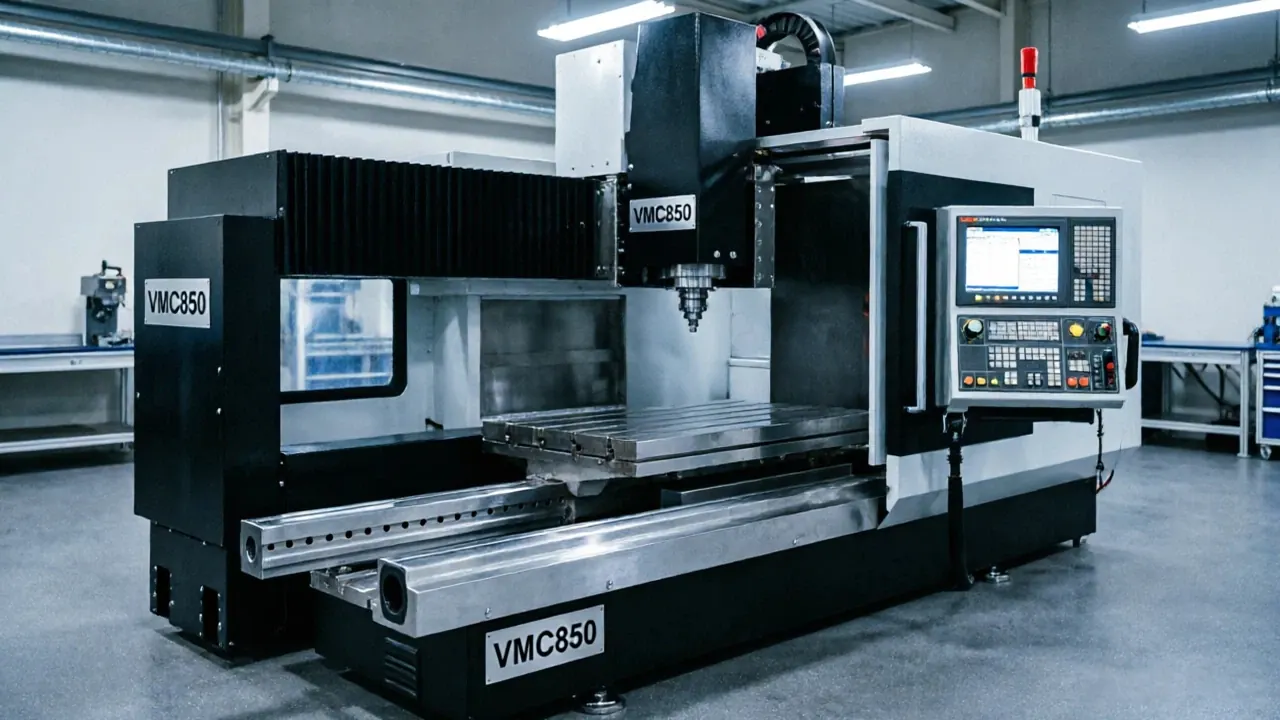
Brake disc, EV housing, suspension parts and compact automotive components.
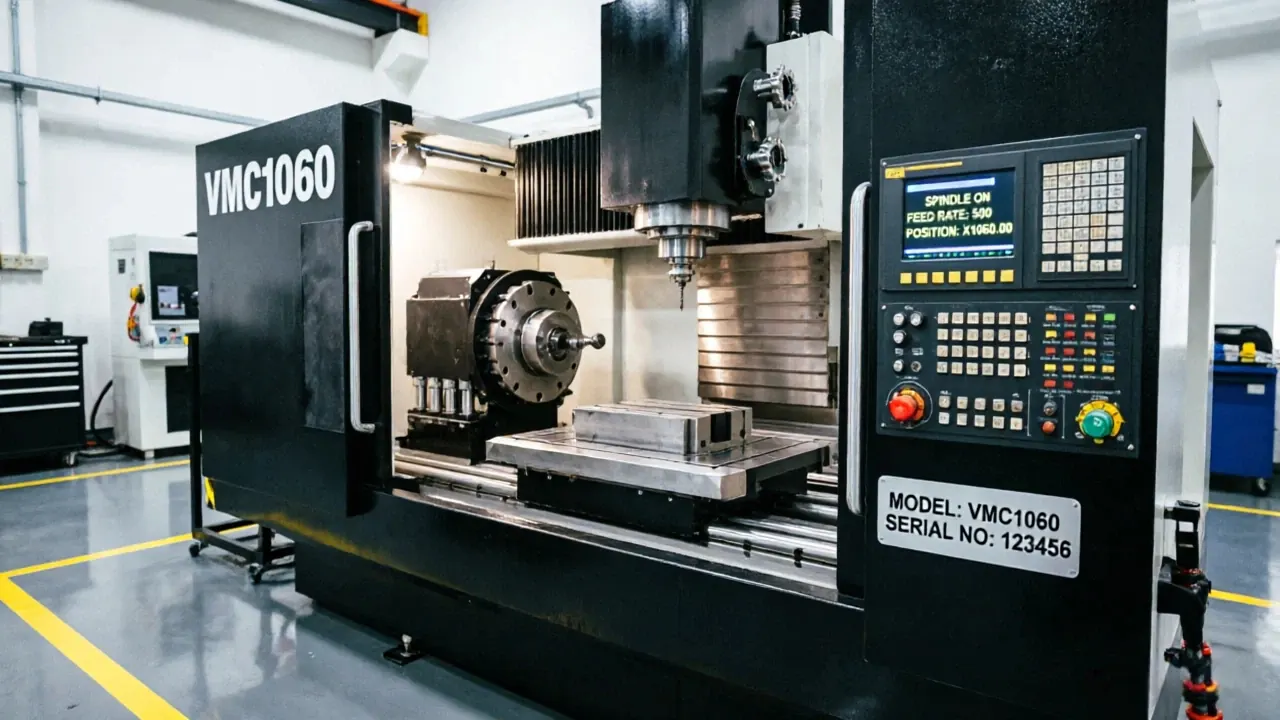
Engine components, transmission housing, motor housing and aluminum automotive parts.
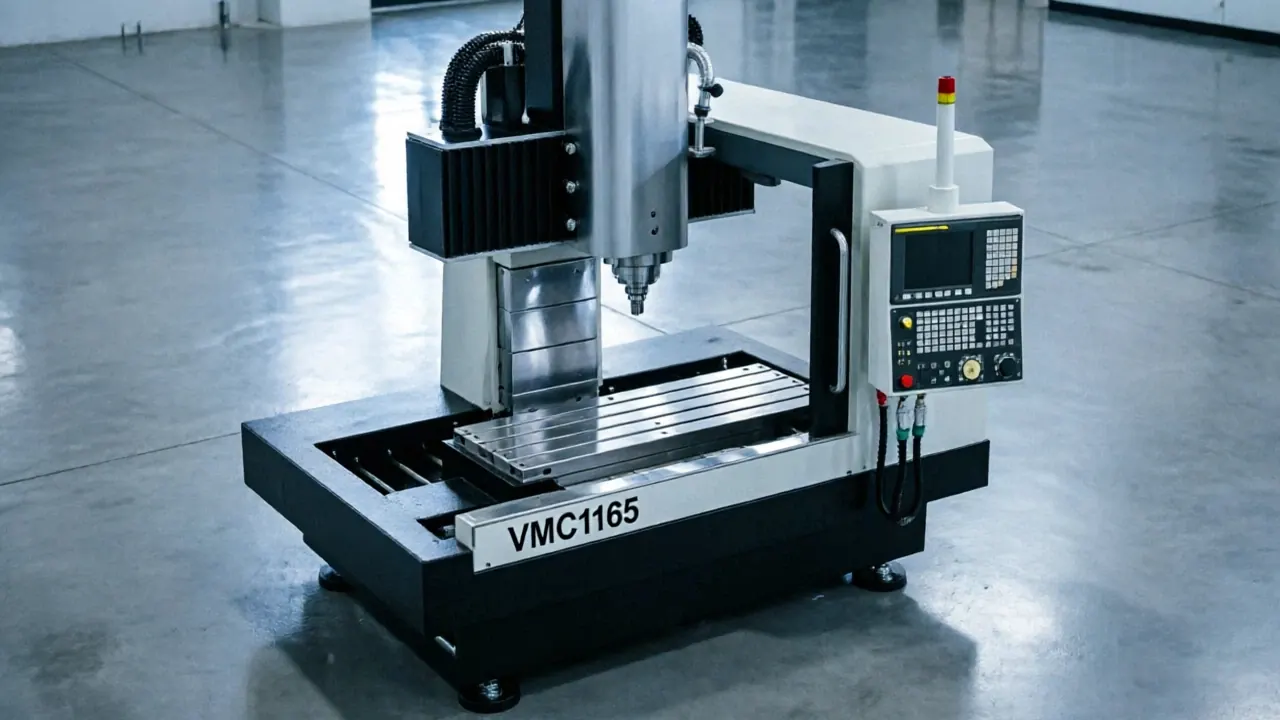
Large automotive mold, aluminum structural parts and larger EV components.
Typical Parts
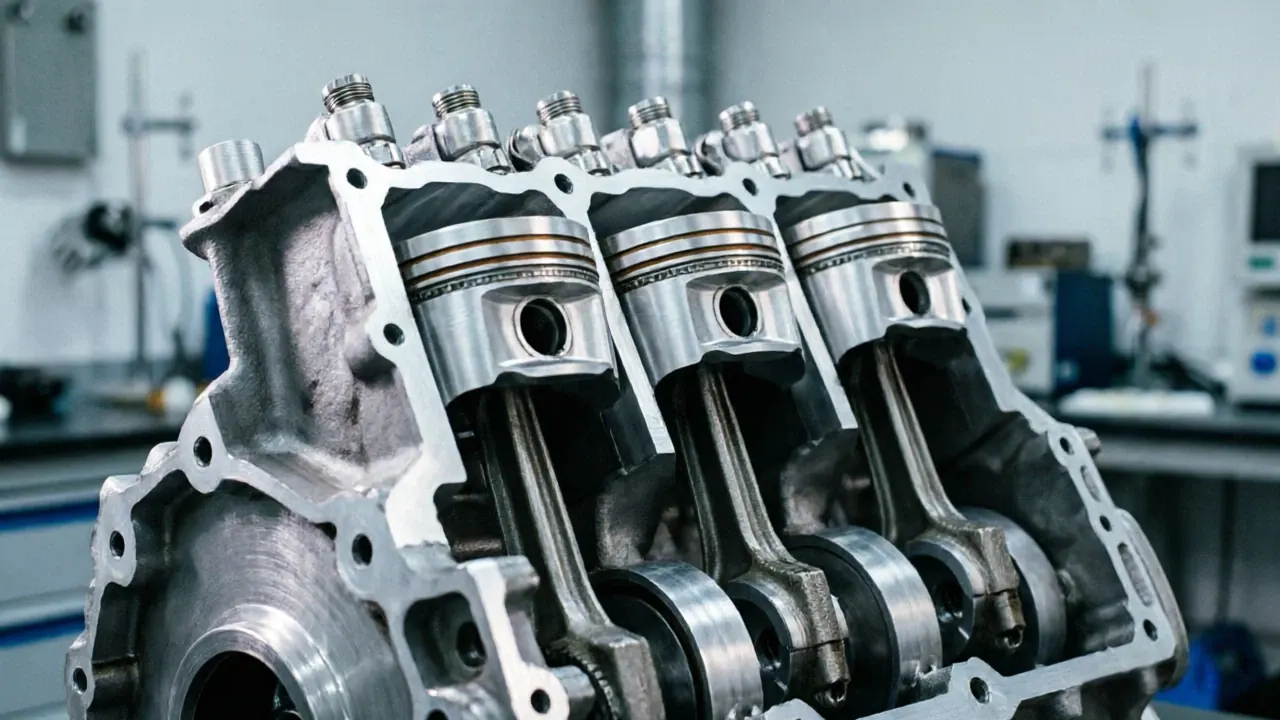
Cast Iron / Aluminum Alloy
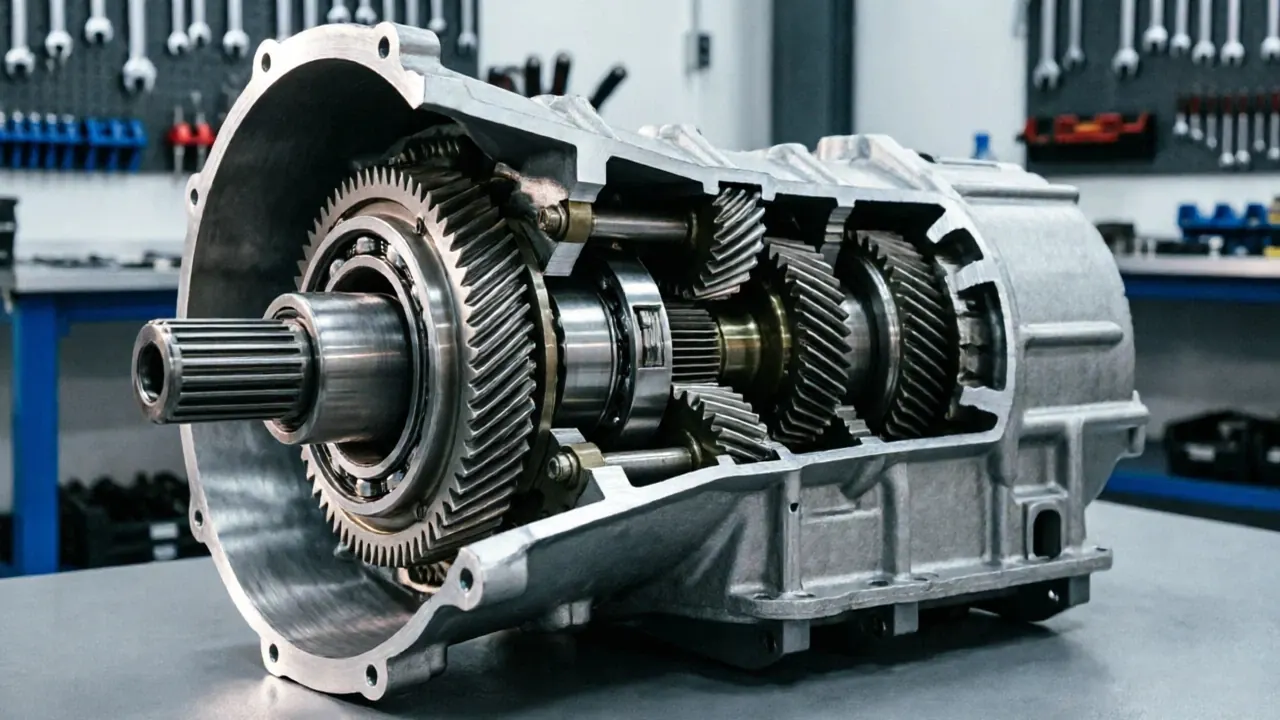
Cast Iron / Aluminum Alloy
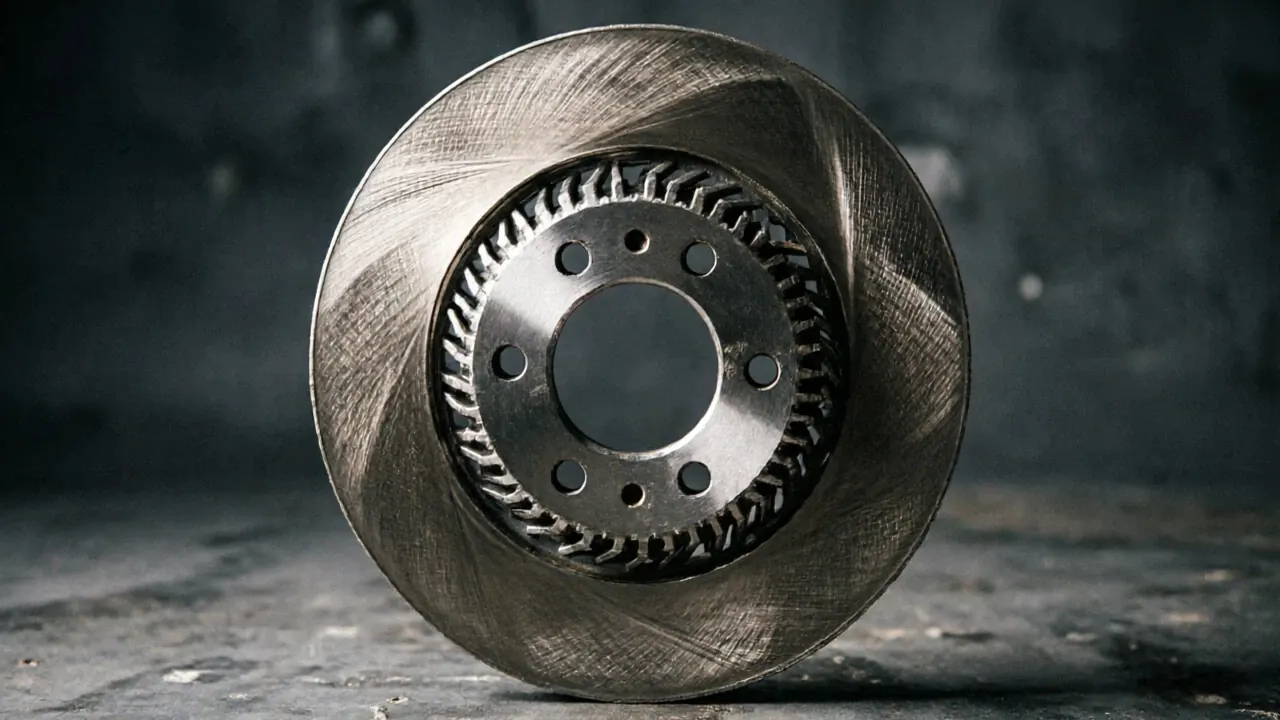
Cast Iron
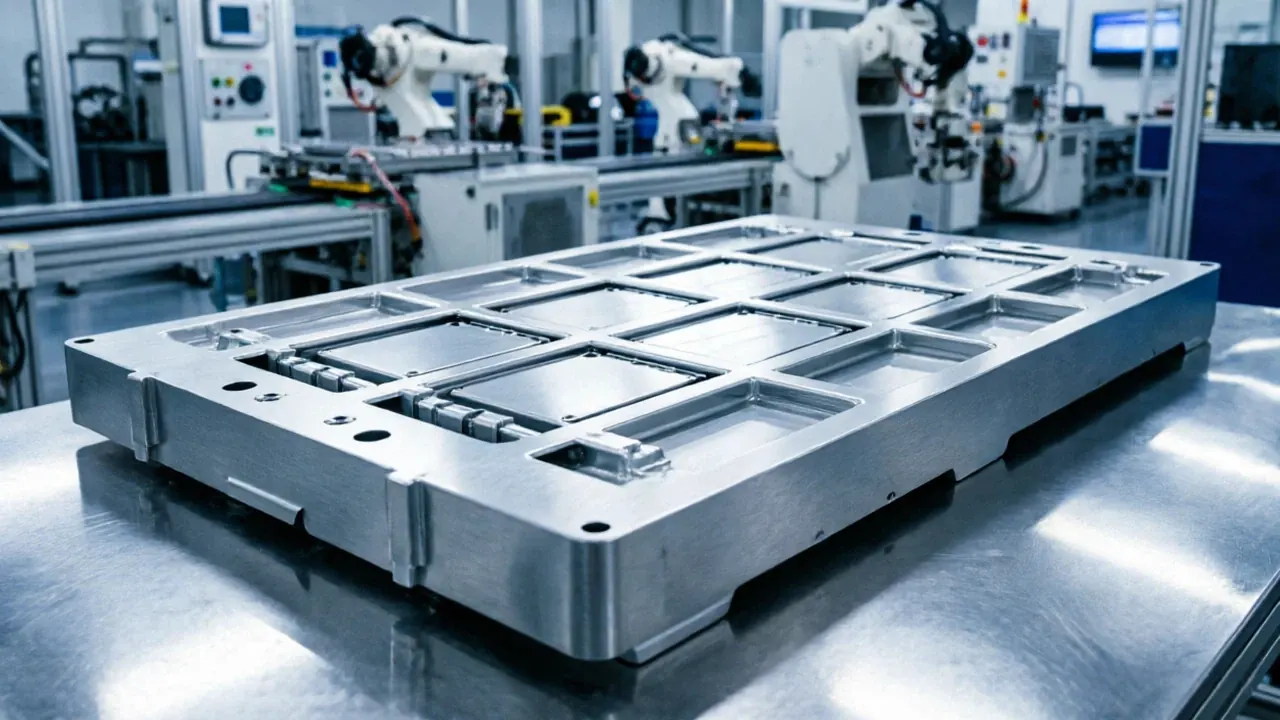
Aluminum Alloy
Manufacturing Process
Step 1
CAD Design
Step 2
CAM Programming
Step 3
Material Preparation
Step 4
Rough Machining
Step 5
Finish Machining
Step 6
Inspection
Step 7
Delivery
Customer Cases
These cases describe common production scenarios, materials, machines and results for buyer evaluation.
Stable surface finish and reduced deformation for batch EV housing production.
View Related CaseImproved hole accuracy and reduced repeated clamping for transmission housing production.
View Related CaseRelated Articles
Explore related technical articles, surface finish guides, machine selection content and application knowledge.
FAQ
Vertical machining centers, horizontal machining centers and CNC lathes are widely used for machining engine parts, transmission housings, EV components and brake components.
Common materials include aluminum, cast iron, steel, stainless steel, titanium and magnesium alloy.
General automotive components often require +/-0.01 mm. Critical features may require +/-0.005 mm or tighter depending on the part design.
Large VMC models, gantry machining centers and 5-axis machines are suitable depending on tray size, wall thickness and fixture method.
Yes. HYR machines support high speed machining, automatic tool changers, stable batch production and automation integration.
Get CNC Solution
Send your part drawing, material, tolerance and production volume. HYR-CNC will recommend the suitable machine configuration and machining proposal.
Contact HYR-CNCRelated Links